Pedra do Quilombo
Description
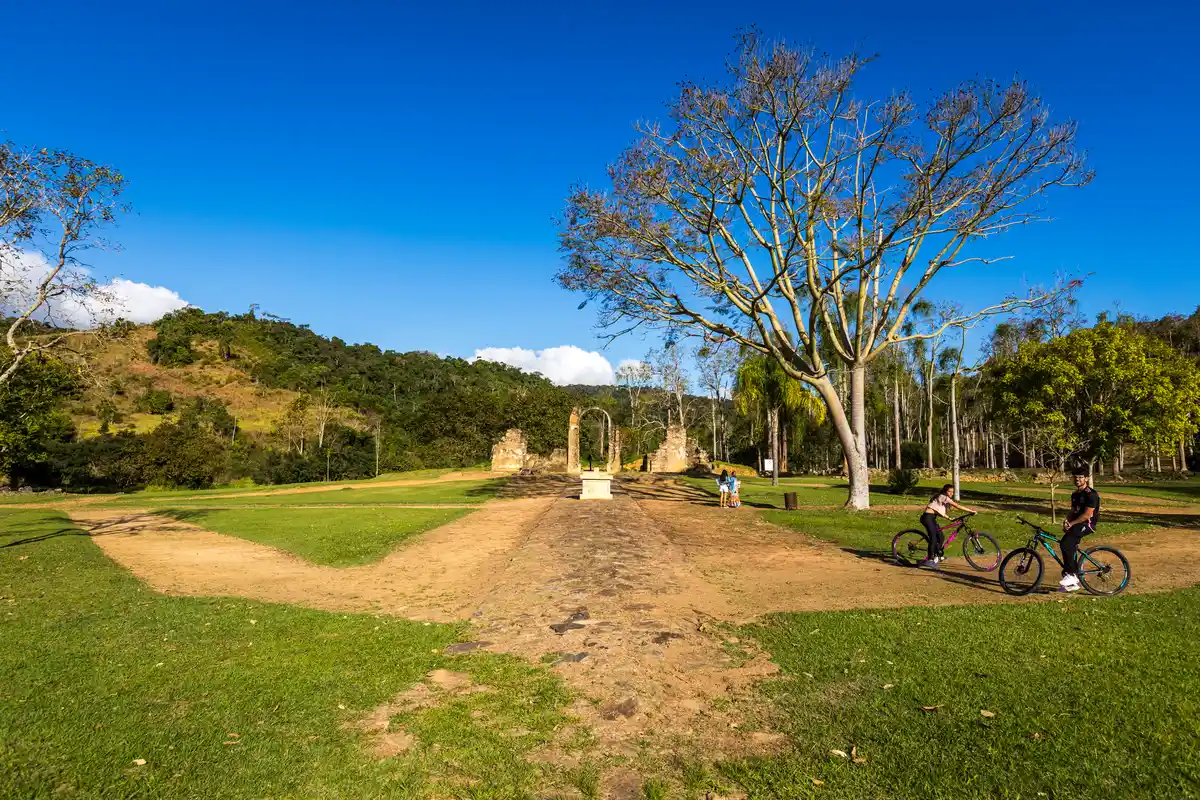
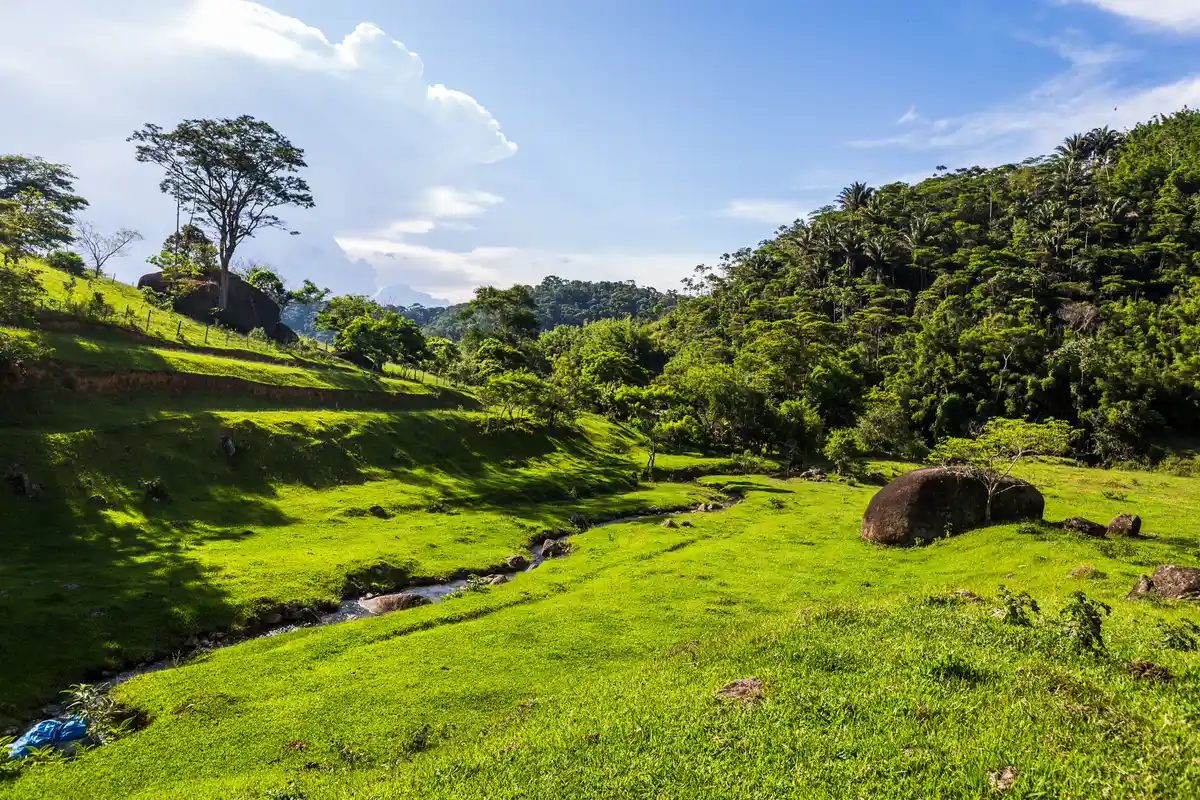
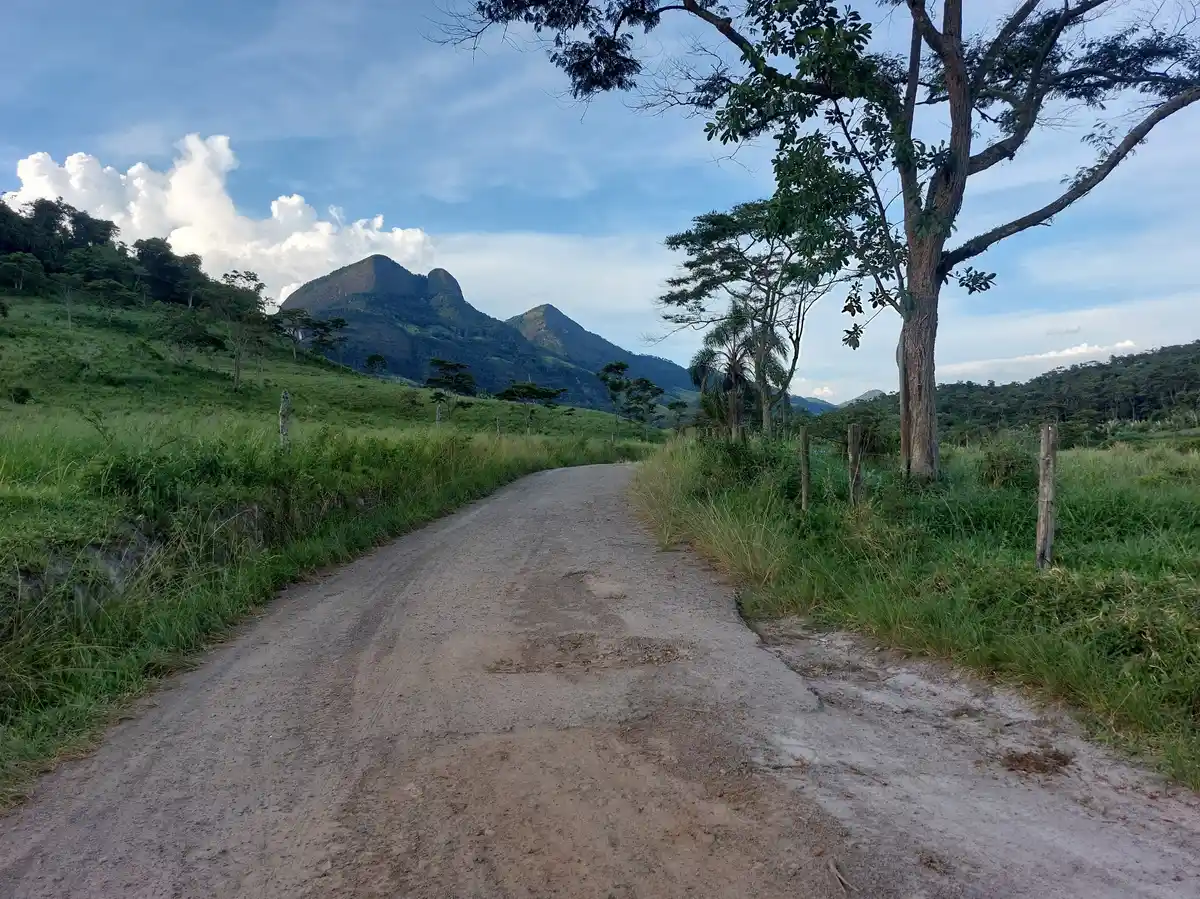
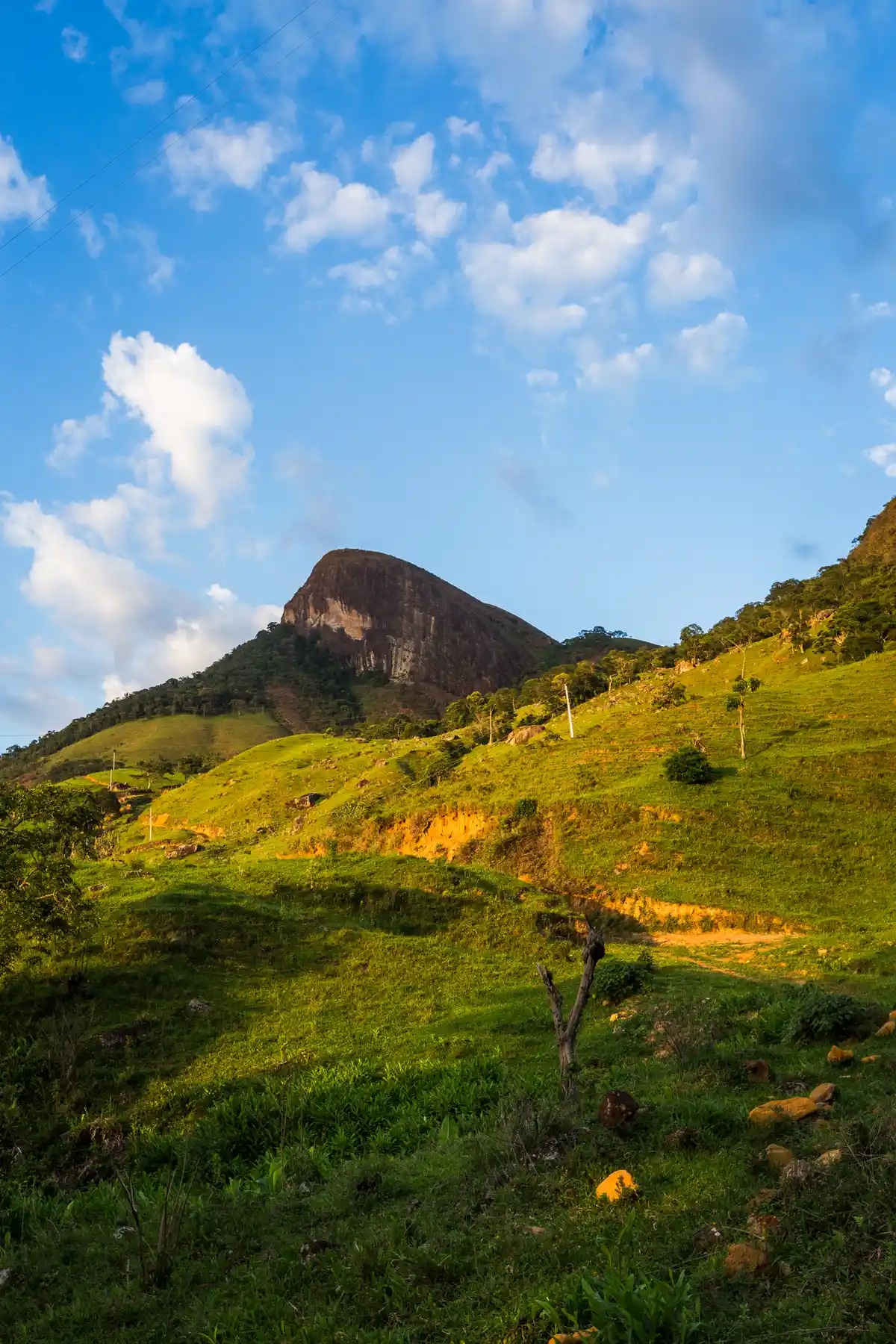
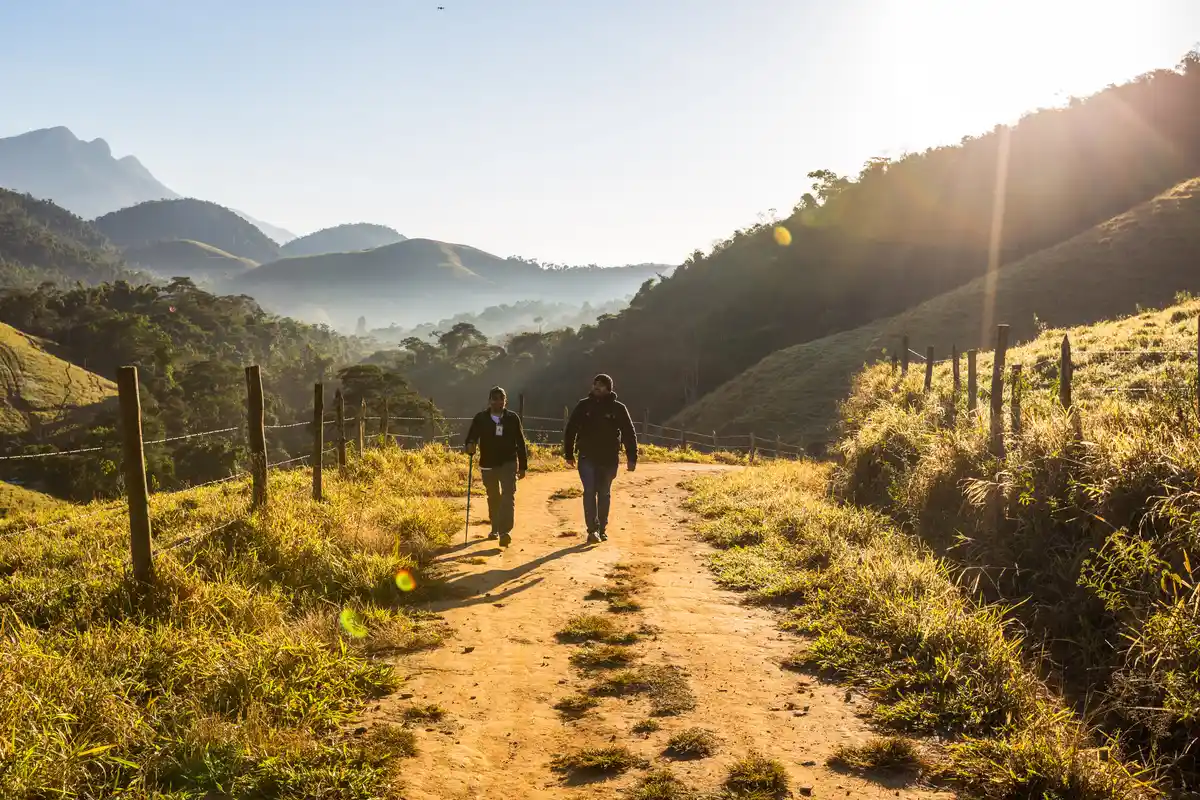
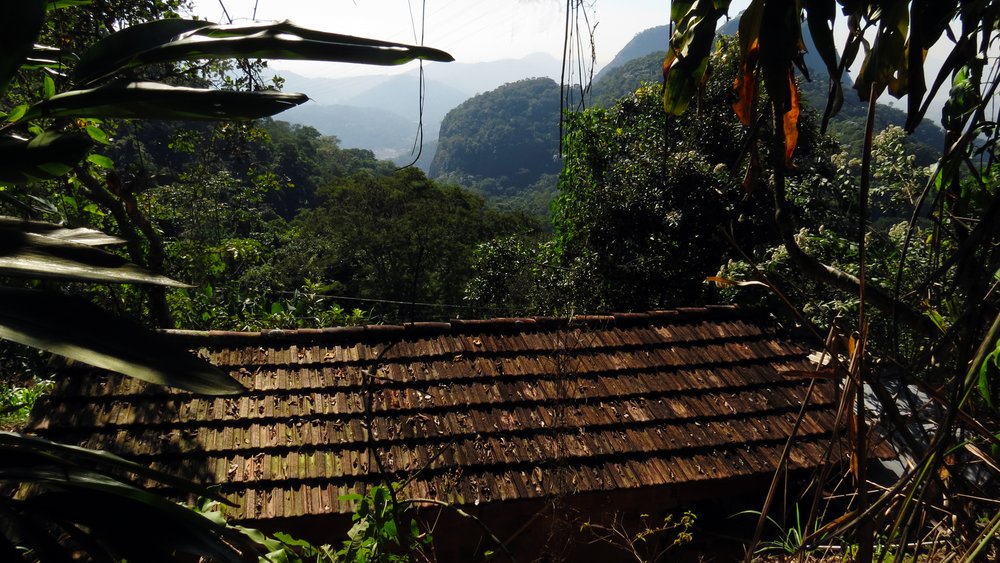
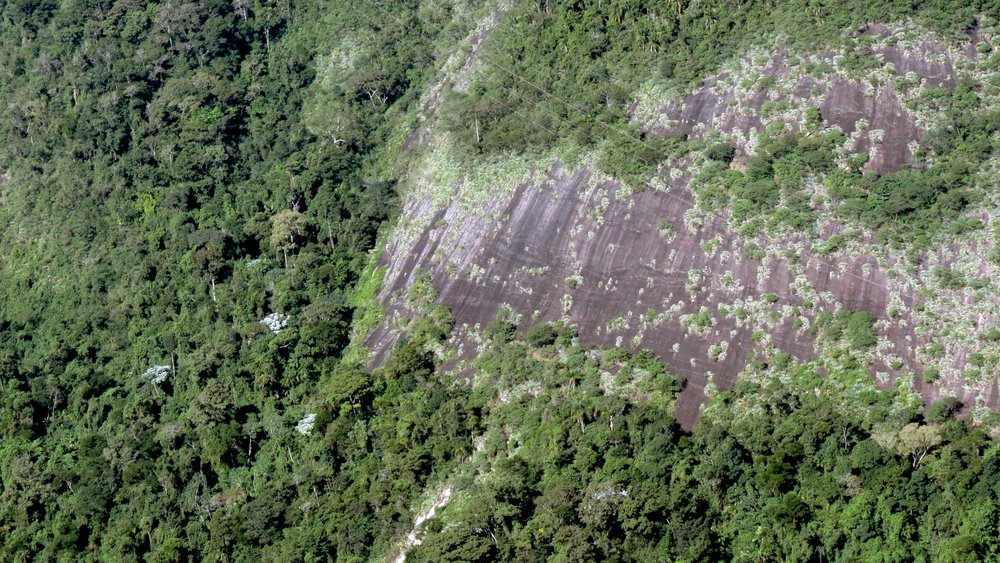
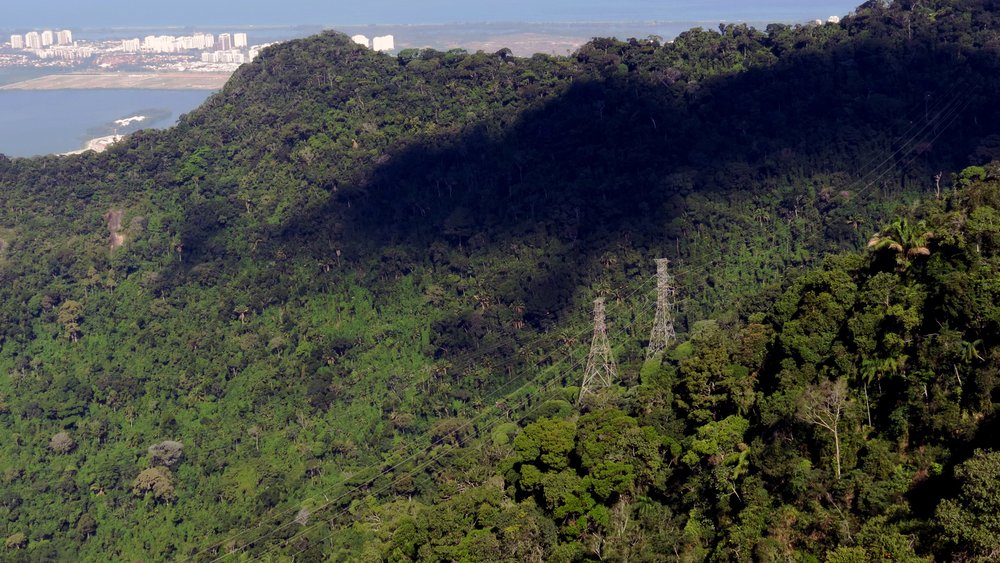
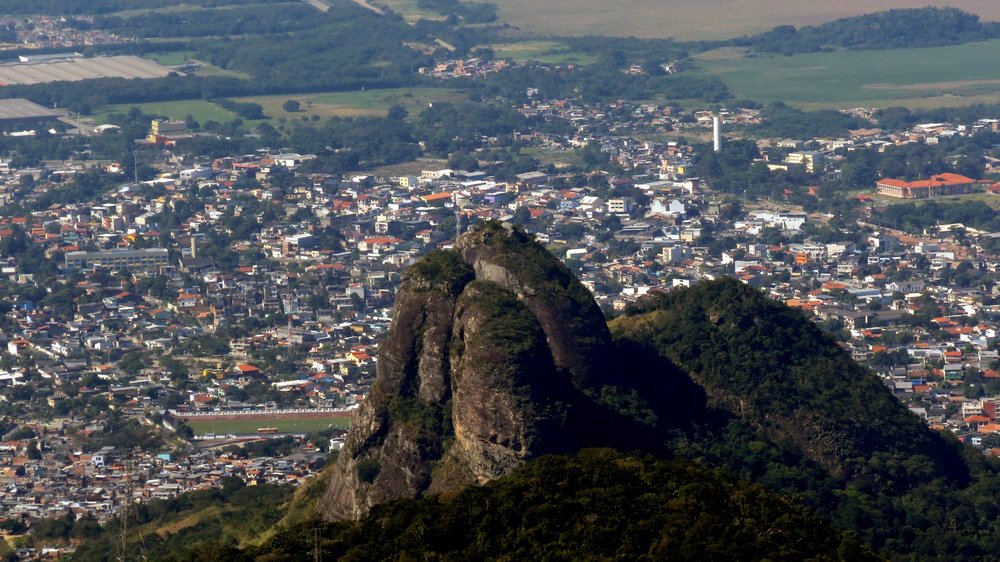
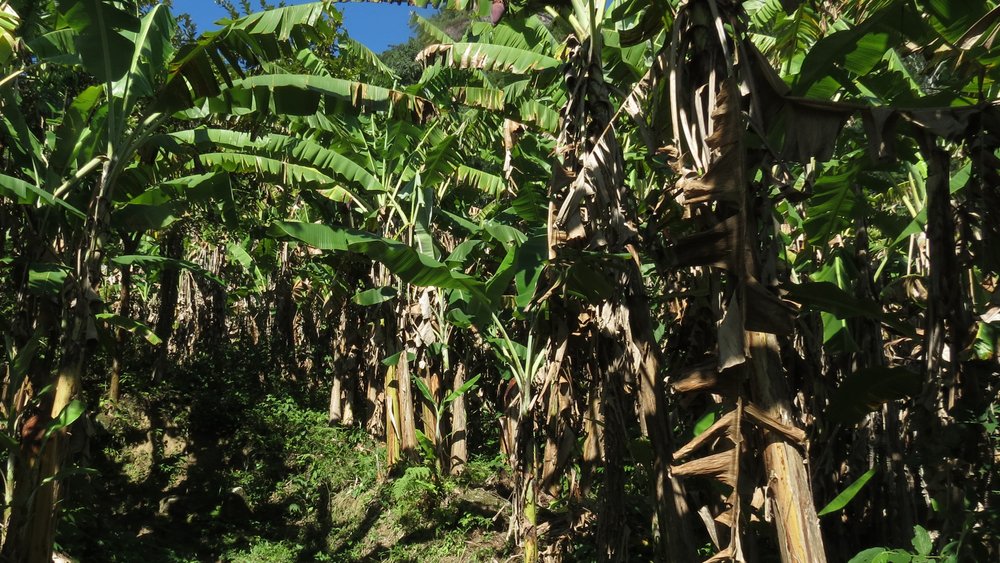
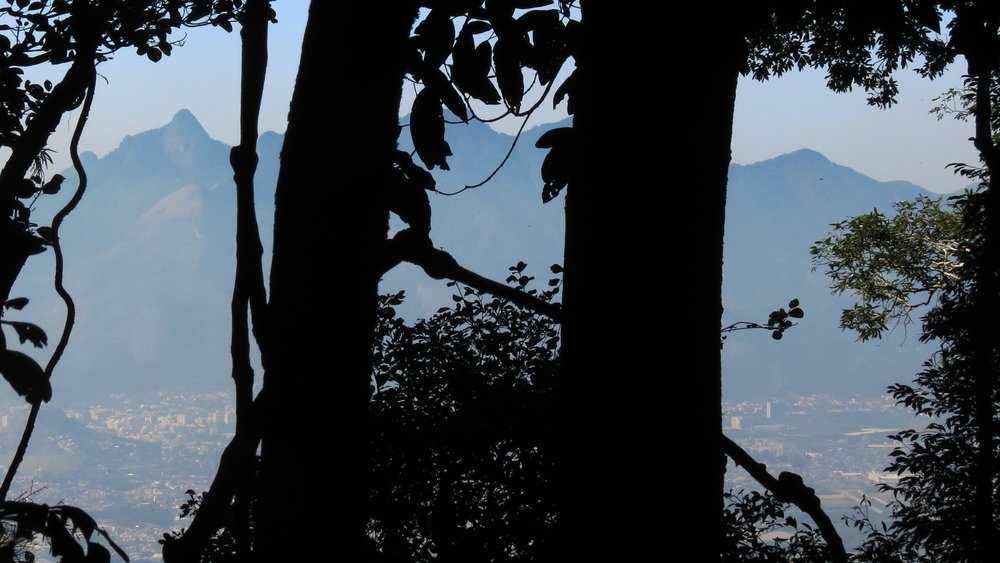
The oral tradition of the ancient residents reports the existence of a quilombo in this mountain range, which is said to have dispersed after the abolition of slavery in 1888. Some landowners of the sites still active in the area are believed to be descendants of quilombolas. With the decline of sugarcane and coffee, the region was gradually occupied by subsistence agriculture, and even today, part of the production of bananas, persimmons, and cassava is transported by pack donkeys, as in the past. The Jacarepaguá lowland was once known as the plain of the eleven mills, as it concentrated a large part of the sugar production in Rio in the 17th and 18th centuries, based on enslaved labor. This trail offers one of the most beautiful views of the Pedra Branca Park. It includes the vegetation of the Pedra Branca massif, Barra da Tijuca, the Jacarepaguá lowland, and the Sleeping Giant formed by the mountains of the Tijuca Massif. On a clear day, it is possible to see the Serra do Tinguá and the Serra dos Órgãos.
Activities

Guidelines
 Extension: 6.04 Km
 Difficulty Easy
 Orientation Easy
 Signaling Level Complete
 Conservation Excellent
 Risk Exposure Low
 Sun Exposure Low
 Hydration Point Unavailable
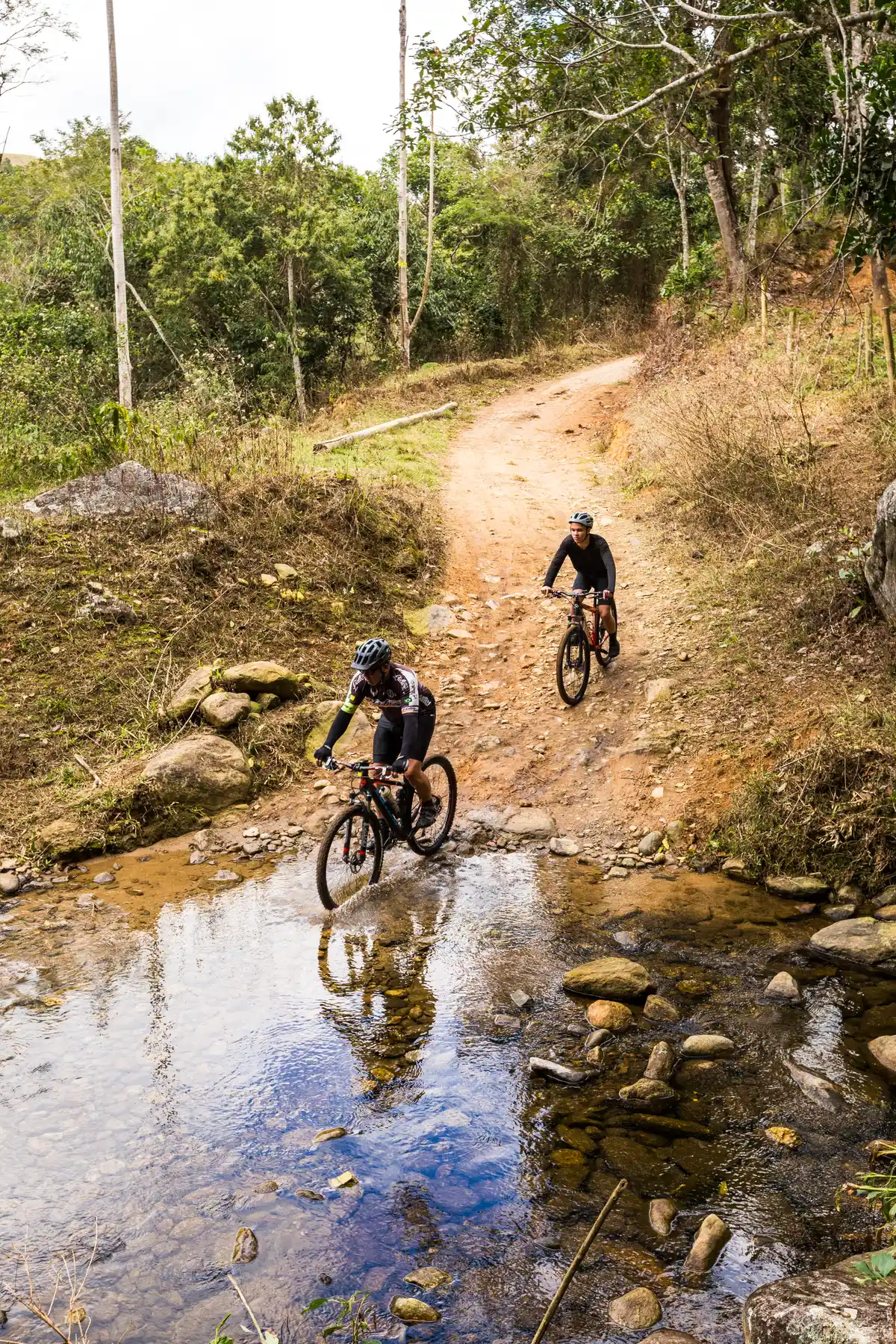
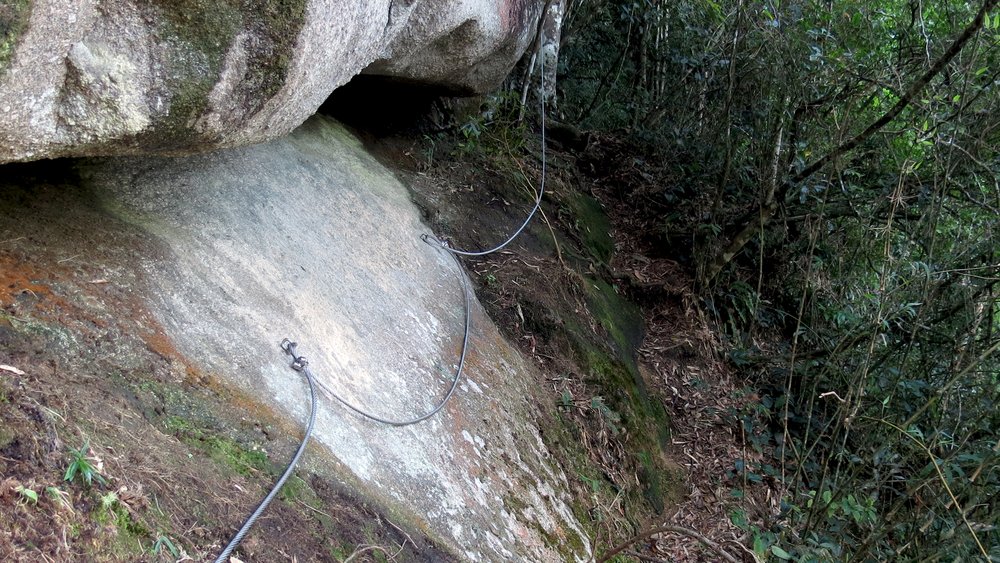
 Climbing There is
 Minimum Altitude: 46m Maximum Altitude: 733m
 Negative Unevenness: 664m
 Positive Unevenness: 664m
Video
Attractions that the trail offers
 Fauna
 Viewpoints
The trail is located in the following protected area
Map
Guidelines
Extension: 6.04 KmDifficulty: EasyOrientation: EasySignaling Level: CompleteMinimum Altitude: 46m Maximum Altitude: 733m Negative Unevenness: 664m Positive Unevenness: 664m