Icatu – Lençois Maranhenses (Trecho 12 da Trilha Amazônia Atlântica)
Description
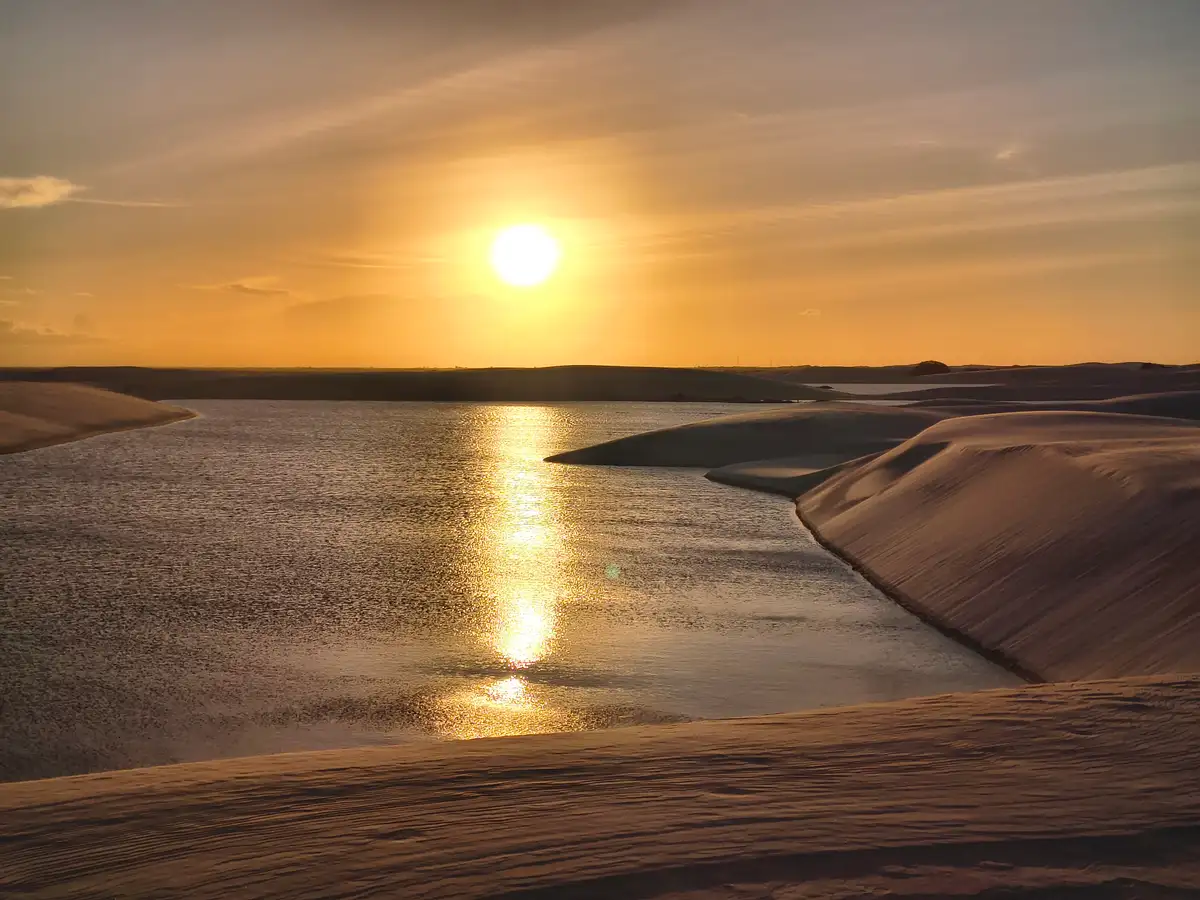
Icatu marks our history with the famous Battle of Guaxenduba - held on the beautiful Santa Maria beach - where the Portuguese, led by Jerônimo de Albuquerque from Pernambuco, fought against the French to expel them from Upaon Açu and permanently occupy the territory. The Portuguese colonization of Maranhão and all of the Amazon begins in Icatu, which means – in Tupi – "good waters." Good waters are abundant in this region, which also includes the municipalities of Axixá, Morros, and Primeira Cruz. The Munim and Itapecuru rivers originate in the Cerrado of the Maranhão hinterland but become fully Amazonian as they approach the coast. At the extreme eastern limit of the biome, the landscapes of Amazonian flora and fauna meet the Cerrado. In one of its main tributaries – the Una River – with transparent waters, a nautical tour reveals to the attentive tourist the abrupt change of the riparian forest as it approaches its mouth in the Munim River - from the Cerrado to the Amazonian exuberance. It is precisely at this meeting point of two distinct biogeographical regions that the Amazon Atlantic Trail ends (or begins). The Marine Extractive Reserve Baía do Tubarão – the largest in the country – covers territories of Icatu and Humberto de Campos and is located right between São Luís and the Lençóis Maranhenses. In a geographical and even poetic symbolism, the largest marked trail in Latin America that circles the Amazonian Coast of Brazil meets the Northern Coast of the Northeast, which stretches from the eastern coast of Maranhão to Rio Grande do Norte. It is at this transition point that the vast and continuous mangroves and islands of a highly indented coastline give way to the largest field of coastal dunes in Brazil, filled with thousands of transparent lagoons during the rainy season – the Lençóis Maranhenses National Park, in Santo Amaro.
Guidelines Extension: 159.62 Km
 Access status: Open
 Difficulty Moderate
 Orientation Moderate
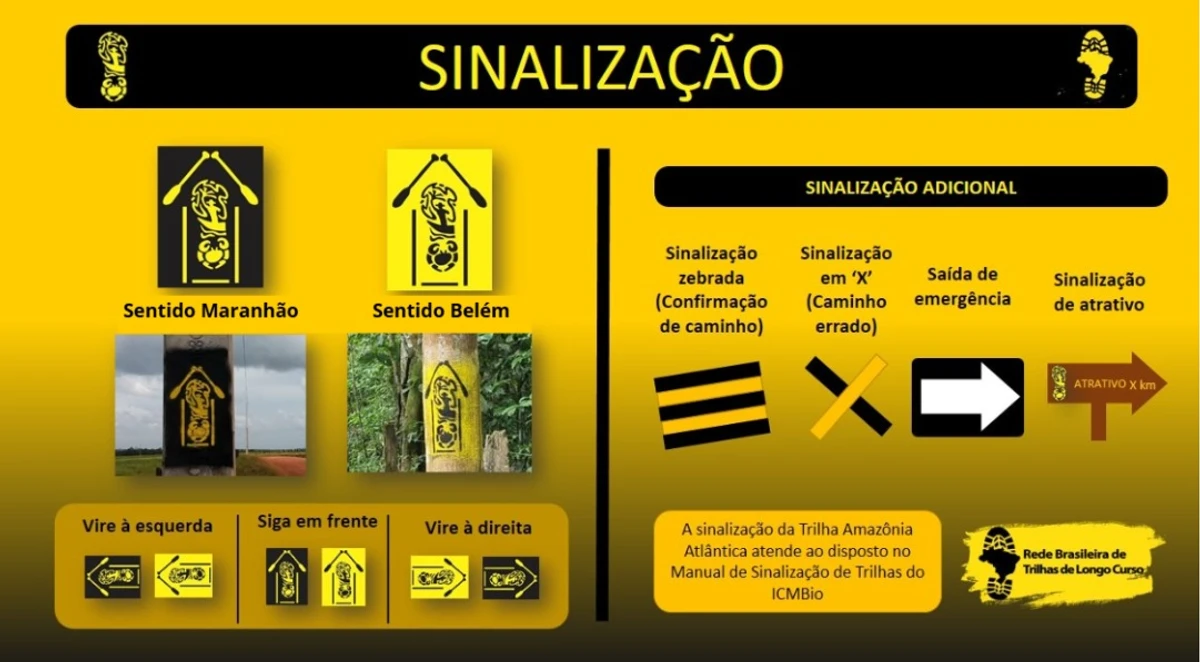
 Signaling Level Partial
 Conservation Bad
 Risk Exposure Medium
 Sun Exposure High
 Hydration Point Available
 Climbing No climbing required
 Minimum Altitude: 1m Maximum Altitude: 47.11m
 Negative Unevenness: 363m
 Positive Unevenness: 357m
Tips
The rainy season runs from January to September, while the drier period occurs from July to December, but it is possible to hike the trail at any time of the year. You can choose to hike independently or hire local companies that offer support and guiding. Along the way, you will find various spots for a refreshing dip in the streams, as well as rural and traditional communities that can provide support on your journey. Be prepared for high sun exposure, as the trail includes many dirt roads and some narrower paths (single tracks). For those looking for immersion in local culture, get ready to sleep in a hammock, a highly recommended experience widely used by the community. It is a lightweight and practical option, so don't forget to bring a pair of ropes approximately 1.2m long to hang it. Also, take the opportunity to learn about the local communities, their stories, and the unique cuisine they offer, making your experience even more enriching and memorable.
Map
Guidelines
Extension: 159.62 KmDifficulty: ModerateOrientation: ModerateSignaling Level: PartialMinimum Altitude: 1m Maximum Altitude: 47.11m Negative Unevenness: 363m Positive Unevenness: 357m 