Floresta dos Guarás (Trecho 9 da Trilha Amazônia Atlântica
Description
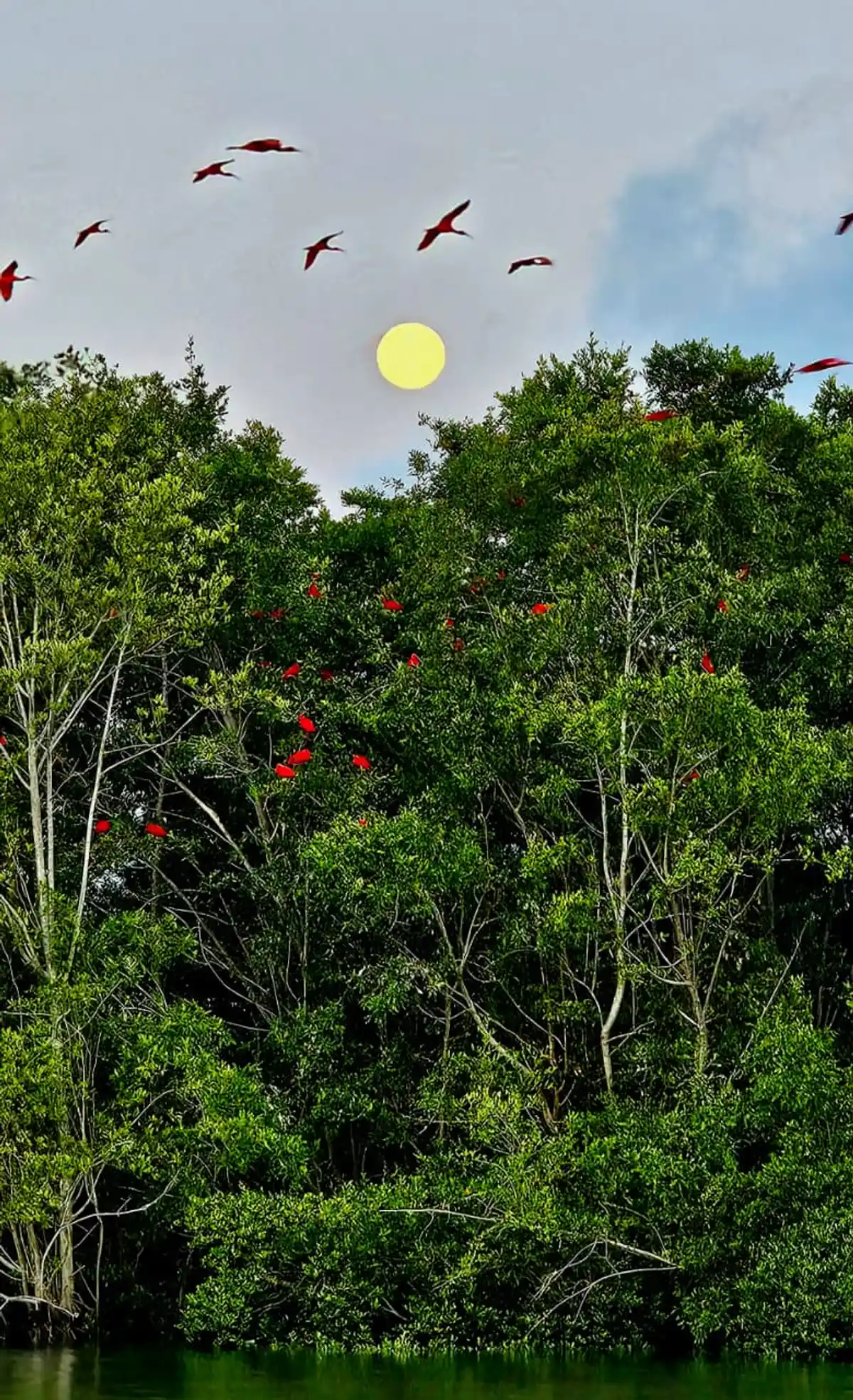
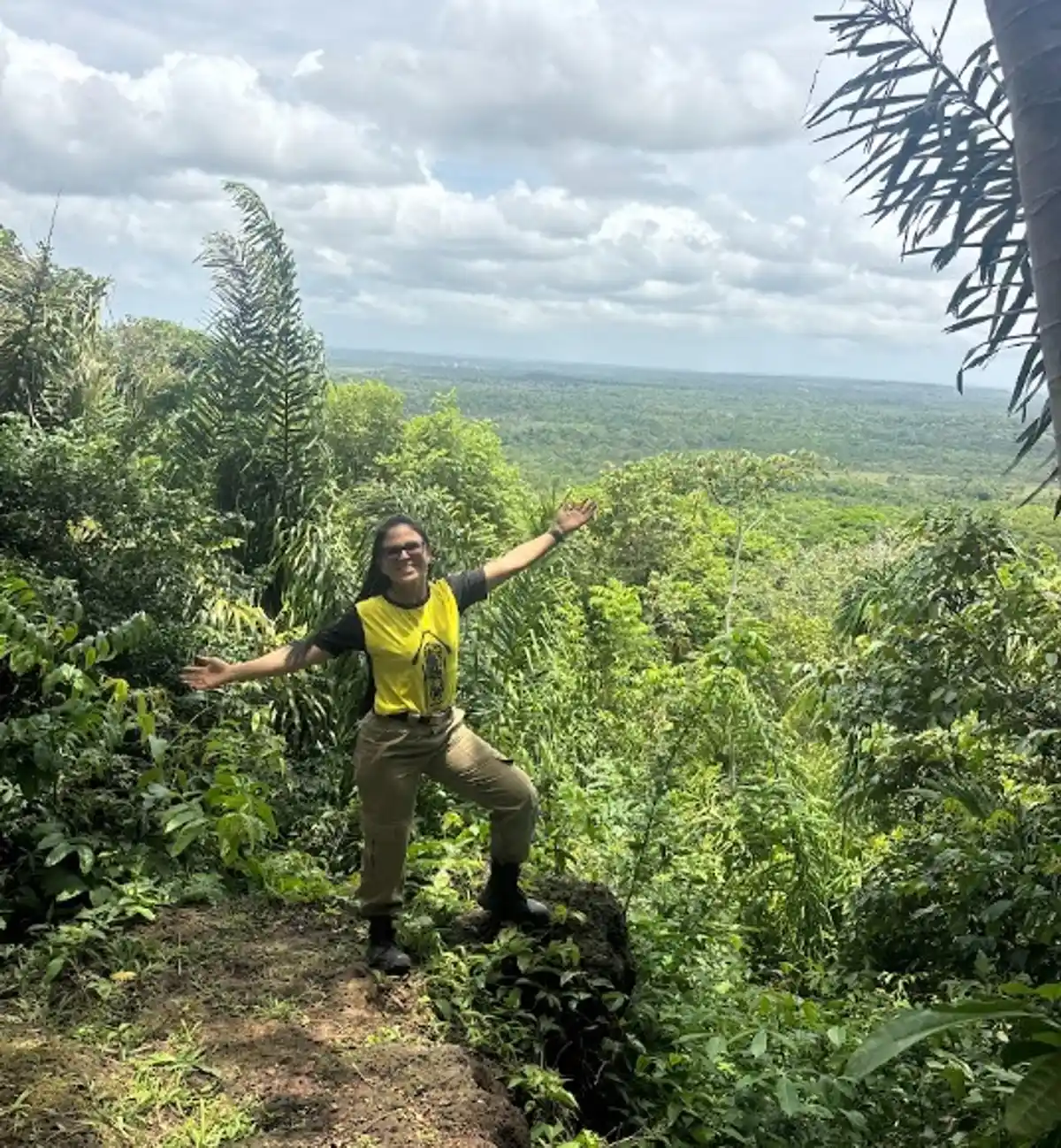
Talking about the Guarás forest is talking about the Maranhão coast. It is talking about mangrove forests. And talking about mangroves is talking about the Atlantic Amazon. 80% of the country's mangroves are Amazonian, distributed among Maranhão, Pará, and Amapá. But only the mangroves of Maranhão and Pará form the largest continuous stretch of mangroves on the planet, known as the Macromaré Mangrove Coast of the Amazon. On the western coast of Maranhão, they are protected in many marine extractive reserves and are RAMSAR sites, granting them global importance as a wetland and a crucial refuge for migratory birds. Some of the most predominantly Black municipalities in the country are here, such as the historic cities of Cururupu and Guimarães. Serrano do Maranhão is officially the Blackest municipality in Brazil. This also reflects in the vibrant culture of this entire coastline. "Afrotourism" is one of the segments with the greatest potential, alongside ecotourism. Inland, the presence of quilombola communities is significant, such as those in Entre Rios, Aliança, Damásio, and the most famous of all, which is both quilombola and an extractive reserve: Frechal, in Mirinzal. Natural fields, babaçu palm groves, streams, and refreshing baths amidst fragments of the Amazon rainforest that persist in the rural areas of this region are also major attractions. Cururupu is possibly the municipality with the most natural and cultural attractions in this entire region. It is simply the city with the longest coastline in municipal territory in Brazil, which is part of one of the largest marine extractive reserves – that of Cururupu. The Cururupu Resex is a world of wild archipelagos or inhabited only by fishing communities with endless mangroves, coconut groves, restingas, and spectacular deserted beaches. The most famous is Ilha dos Lençóis, formed by dunes with lagoons during the rainy season, beaches, and a community that still believes in the legend/myth of the return of King Sebastian, who appears enchanted on full moon nights in the form of a black bull.
Guidelines Extension: 138.34 Km
 Access status: Open
 Difficulty Moderate
 Orientation Easy
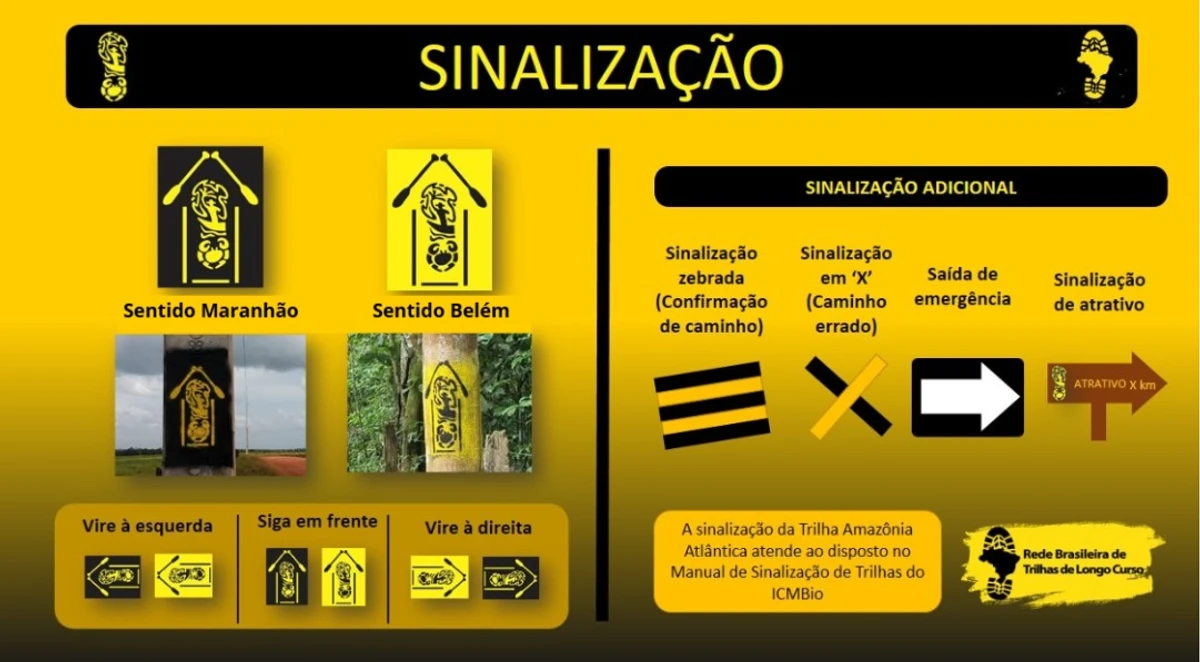
 Signaling Level Partial
 Conservation Good
 Risk Exposure Low
 Sun Exposure High
 Hydration Point Available
 Climbing No climbing required
 Minimum Altitude: 1m Maximum Altitude: 1m
 Negative Unevenness: 1m
 Positive Unevenness: 1m
Tips
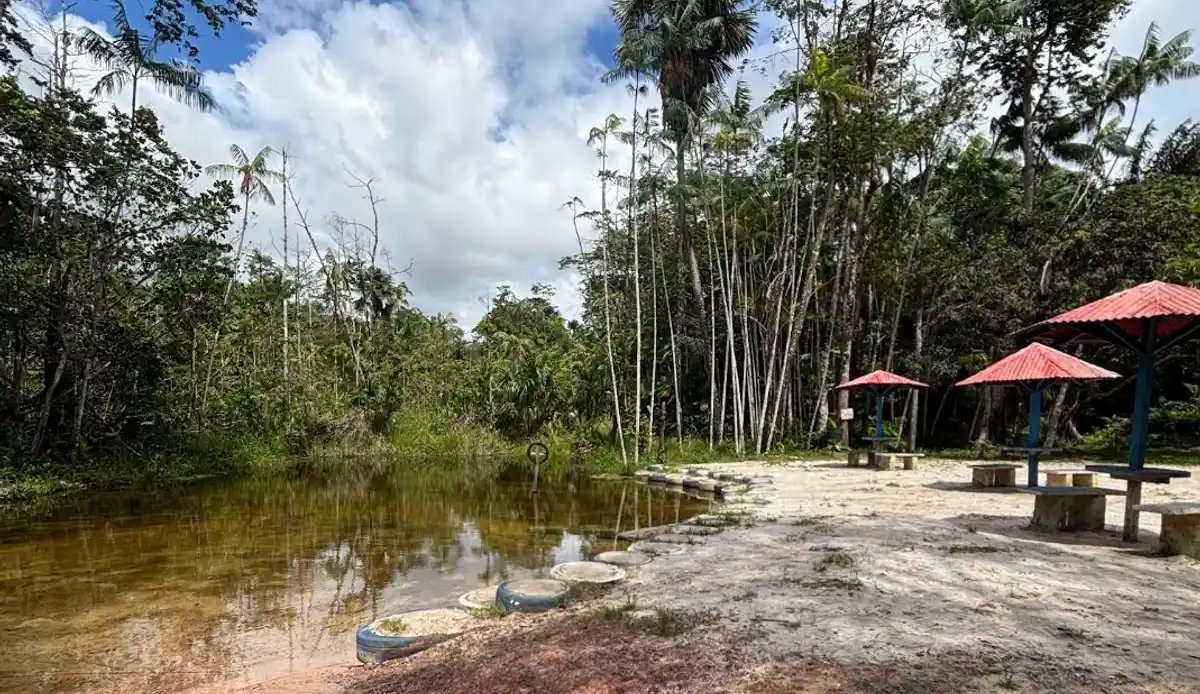
The rainy season runs from January to September, while the drier period occurs from July to December, but it is possible to hike the trail at any time of the year. You can hike independently or choose to hire local companies that offer support and guiding, ensuring a richer and safer experience. Along the way, you will find various spots for a refreshing dip in the streams, as well as rural and traditional communities that can offer support on your journey. Be prepared for high sun exposure, as the trail includes many dirt roads and some narrower paths (single tracks). For those who wish to immerse themselves in the local culture, prepare to sleep in a hammock, a highly recommended experience widely used by the community. It is a lightweight and practical option, so don't forget to bring a pair of ropes approximately 1.2m long to hang it, ensuring a good night's rest under the stars.
Map
Guidelines
Extension: 138.34 KmDifficulty: ModerateOrientation: EasySignaling Level: PartialMinimum Altitude: 1m Maximum Altitude: 1m Negative Unevenness: 1m Positive Unevenness: 1m 