ARIE de Itapebussus

Description
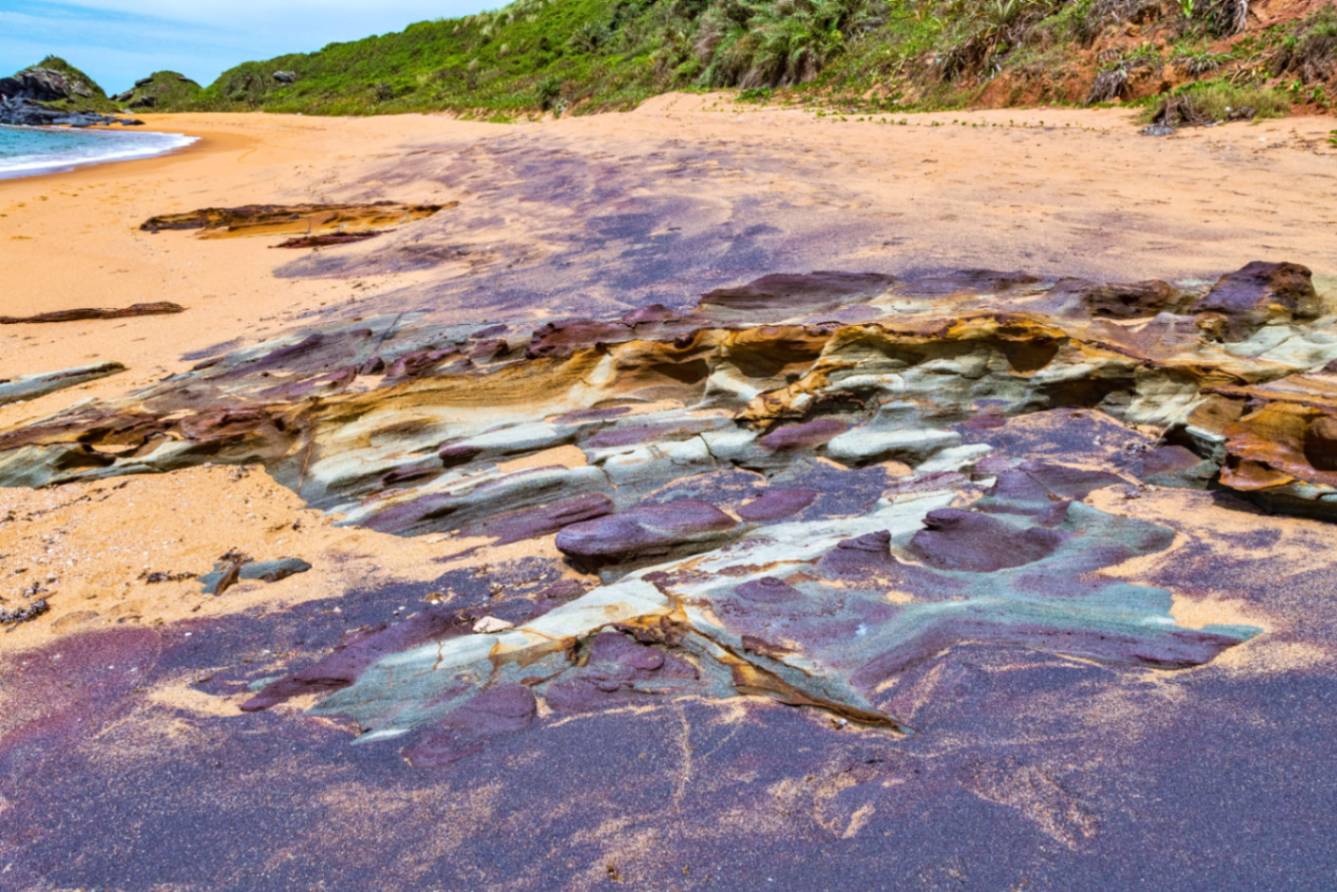
The Área de Relevante Interesse Ecológico de Itapebussus lies in a sector of great biological importance, as it is one of the main areas of endemism for tetrapods in restingas (coastal sandy-plain vegetation). It also protects mangrove, restinga and tableland Atlantic Forest ecosystems. The area is also known for its incredible geodiversity and for being home to the 10 wildest beaches in the municipality, spanning 9 km of sand, rock and abundant life. As mentioned above, Itapebussus is made up of the vegetation types characteristic of the municipality and the region: mangrove, restinga and tableland Atlantic Forest (topography that is flat over large stretches and at low altitude). Three lagoons can be found within the boundaries of the ARIE. Farthest south, surrounded by clumps of restinga vegetation, lies the Lagoa Salgada. In the central part, formed by the damming of its mouth, is the Lagoa de Itapebussus. Located within the Itapebussus farm, this lagoon is surrounded by restinga vegetation, mangroves and areas covered by pasture. Farther north, the Lagoa Margarita is surrounded by restinga vegetation and fragments of semideciduous forest. The ARIE de Itapebussus is a habitat for plant and animal species at risk of extinction, such as the restinga plant Jacquínia and the tropical mockingbird, Mimus Gilvus, both on the list of threatened species. According to the management plan of the ARIE de Itapebussus, 14 of the plant species that occur there are included in at least one of the lists of extinction risk. Sea turtles (Caretta caretta) are common on the coast of Rio das Ostras and can be found in the ARIE de Itapebussus, as can the freshwater turtle (Acanthochelys radiolata), a species characteristic of restinga and lowland forest and presumably threatened in the state of Rio de Janeiro. The area is also home to amphibians and reptiles and, although none of the species recorded is among the fauna considered threatened, the presence of amphibians makes its preservation important.
Additional Information
- Total Area - 9.86km²
Biomes Found
 Coastal Marine
Offered Activities
 Hiking
Attractions offered
 Flora
 Fauna
 Beach
 Lake