A Refuge of Nature, History, and Well-Being in the Atlantic Forest
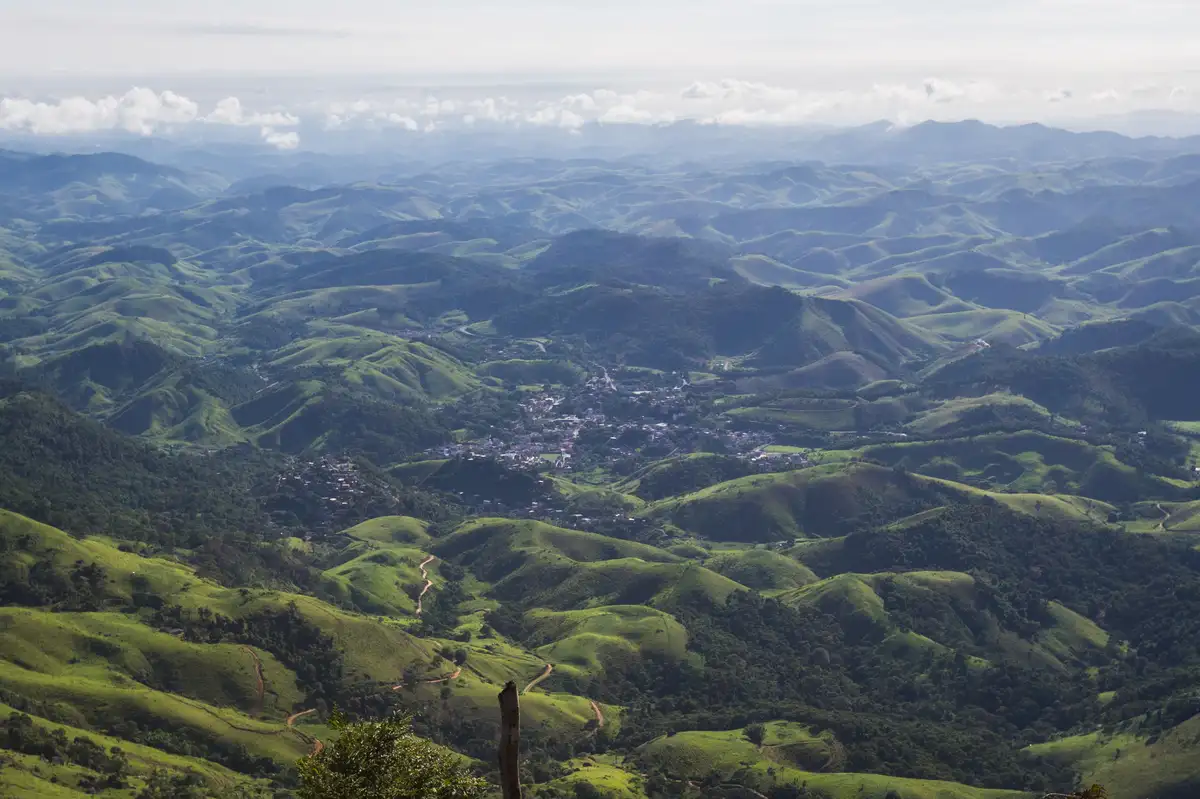
Amidst the lush Atlantic Forest, Rio Claro is a place that warmly welcomes all who arrive. A perfect retreat for those seeking well-being, tranquility, and a deep connection with nature. Located in the southern region of Rio de Janeiro, the municipality captivates with its mountains and backlands, rich heritage, and historical pathways. It stands out for its abundant water resources and natural diversity, offering hiking trails, wildlife and flora observation, and outdoor sports, creating a wide variety of tourist experiences. Here, you’ll find trails that lead to crystal-clear waterfalls, breathtaking mountain views, and landscapes that soothe the soul.
A Refuge of Nature, History, and Well-Being in the Atlantic Forest
Historical Trails and Natural Landscapes
The colonization of the Rio Claro territory is linked to the opening of paths by explorers in search of the lands of Minas Gerais. The old gold routes and the Independence Trail can be traveled by mountain bike, on horseback, or even on foot, allowing visitors to explore stretches of stunning scenery, surrounded by cascading rivers flowing down the Serra do Mar amidst vast areas of the Atlantic Forest.
Historical Trails and Natural Landscapes
São João Marcos: Traces of a Coffee Boomtown
The origins of Rio Claro are closely tied to the traditional village of São João Marcos, now one of its districts. Founded in the early 18th century, São João Marcos was once considered one of the most important towns in the interior of the state of Rio de Janeiro, becoming a major coffee producer by the late 19th century. Today, the site is home to the São João Marcos Archaeological and Environmental Park, where visitors can walk through an area that once held a thriving, vibrant city during Brazil’s coffee cycle. The historic ruins of São João Marcos tell stories of the past amid lush greenery, as birdsong accompanies your walk through the forest.
São João Marcos: Traces of a Coffee Boomtown
Tradition, Memory, and Sustainability
Another living heritage of Rio Claro is the Alto da Serra Quilombo, one of the oldest in the region. There, tradition and resistance echo through generations. The quilombola community preserves ancestral knowledge—such as cuisine, faith, and customs—while keeping alive the memory of the struggle for freedom and dignity. Visiting Alto da Serra is a journey into a history of strength, identity, and belonging. Additionally, Fazenda da Grama, with its chapel, was a prominent site during the coffee cycle, part of the old gold route, and the birthplace of Fagundes Varela, one of the great poets of Brazilian Romanticism. Here, nature, culture, and memory walk side by side. Throughout the municipality, rural properties produce vegetables and other goods such as a variety of sweets and delicious buffalo milk cheeses. Yet, the most significant production is that of water and forest, as it enables the protection of our biodiversity.
Tradition, Memory, and Sustainability
With its pleasant and unique climate, the rural lifestyle, nature, and historical tradition are just some of the attractions the municipality offers to visitors exploring the Coffee Valley. But that’s not all — the people of Rio Claro are welcoming, humble, and full of great stories. It’s the kind of place that makes you feel at home, even if you're just visiting.
If you’re in need of a moment for yourself, to take a deep breath and return home feeling lighter, Rio Claro awaits you with open arms.